
Written by: George, Family Miles Guide | Updated: June 2026
Perfect For: Adults and couples who want the magic without the luxury price tag
Duration: 7 Days / 6 Nights
Estimated Cost: $900–1,200 USD per person (excluding flights)
Pace: Efficient but unhurried — you're seeing everything without paying extra for it
The Budget Traveler's Truth
Here's what nobody tells you about budget travel in Mexico: it's not a compromise. It's a different kind of experience, and in many ways, it's a better one.
When you're paying $8 a night at a hostel, you're talking to the other guests at breakfast. When you take the local bus to the ruins, you're sitting next to a grandmother carrying a basket of tomatoes. When you eat at the market stall instead of the tourist restaurant, you're eating the food the locals actually eat.
I've done this route both ways — luxury and budget. The views from El Castillo are exactly the same from both income brackets. The water at the cenotes is equally cold. The sunsets over the Caribbean don't check your hotel star rating before turning pink.
What changes is the math. This itinerary costs about a third of the luxury version. Which means you can do it three times, or take a second trip somewhere else entirely.
Let's talk about how.
The Money Mindset Before We Start
Budget travel in the Yucatán requires a few mental shifts:
1. Pesos over dollars, always. Paying in USD at tourist spots is a 15–20% tax you don't have to pay. Get pesos at the ATM when you arrive (Citibanamex has the best fees), and use them everywhere.
2. Breakfast at the market, lunch at the restaurant, skip expensive dinner. Mexican market breakfasts are $2–3 and are the best meals you'll have. Lunch specials (comida corrida) give you soup, main, and a drink for $5–8. Dinner is where tourist budgets get destroyed — eat street food or cook if your accommodation has a kitchen.
3. The bus is not beneath you. The ADO buses between cities are air-conditioned, punctual, and cost 70–80% less than a private transfer. The journey is part of the experience.
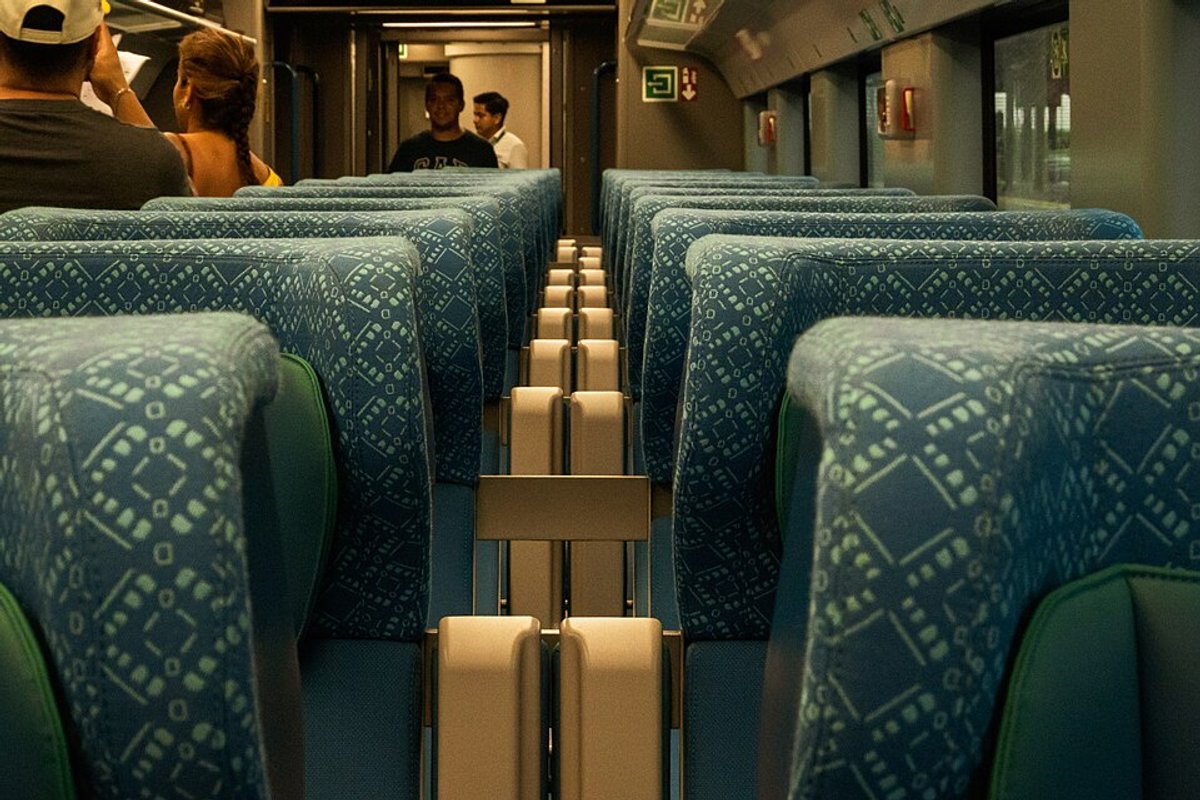
4. The Tren Maya Premium class is the budget splurge worth making. Economy class is cheaper, but the difference is $20–30 per ride. For a once-in-a-while experience, the upgrade to Premium (with its A/C, meal service, and actual legroom) is my one non-negotiable splurge. You're still saving a fortune compared to flying.
🗺️ The Route
- Days 1–2: Mérida — street food, free museums, and the best $3 breakfast in Mexico
- Days 3–4: Valladolid & Chichén Itzá — cenotes for $5, the pyramid at sunrise
- Days 5–7: Tulum — budget beach time, ruins for $13, and the best cheap tacos on the coast
What This Will Actually Cost
Before the day-by-day, here's the honest budget:
| Category | Budget Option | Per Person Cost |
|---|---|---|
| Accommodation (6 nights) | Hostels & budget hotels | $180–240 |
| Tren Maya tickets (Premium) | 2 legs × ~$90 | $180 |
| Local transport & buses | ADO buses, colectivos | $60–80 |
| Food (all meals, 7 days) | Markets, street food, lunch specials | $140–180 |
| Entry fees & activities | Ruins + cenotes | $120–150 |
| Misc (SIM, water, tips) | $50–80 | |
| TOTAL | $730–930 |
Call it $900–1,200 with a cushion for one splurge meal and a few souvenirs. This is absolutely achievable. I've done it for less.
Day-by-Day Itinerary
Day 1: Arrival in Mérida — The City That Immediately Makes Sense
You land in Mérida (or Cancún — more on that in a moment). Either way, your first goal is getting to the historic center without getting ripped off.
Getting There
From Mérida Airport: Take a taxi with a fixed meter. The official taxi line at the exit charges a flat ~$10 USD to the centro. Avoid the guys in the arrivals hall offering "private transfers" — they charge three times as much.
From Cancún Airport: ADO bus directly to Mérida, $28–35 USD, 4 hours. Runs every 2 hours. Your seat is assigned, the bus is comfortable, and you'll arrive at the Mérida bus station three blocks from the centro.
Where to Stay in Mérida
- Nomadas Hostel ($25–35/night dorm, $65–85 private room) — The social hub of budget Mérida. Rooftop pool, free salsa classes on Tuesdays, communal kitchen. The people you meet here might become your travel companions for the week.
- Hotel Mucuy ($55–80/night double) — Family-run, genuinely friendly, courtyard with hammocks. The kind of place where the owner draws you a map of where to eat.
First Evening: The Free City
Mérida is the most generous city in Mexico for free entertainment. On any given evening, the Zócalo (main plaza) hosts dance performances, live bands, or open-air cinema. It's all free. Just show up.
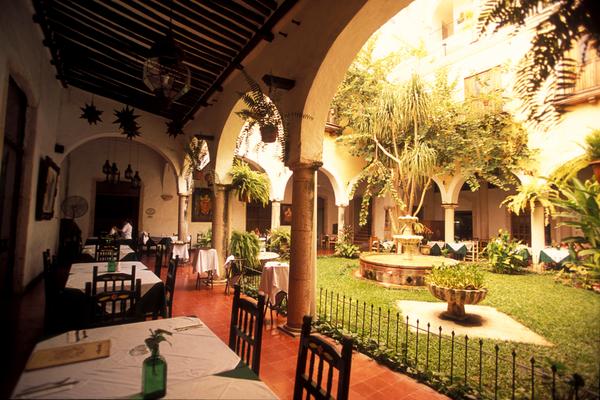
Dinner: Head to the Mercado Lucas de Gálvez. Find a stall with a busy lunch crowd (they serve dinner too) and order the sopa de lima and cochinita pibil tacos. Total cost: $3–4. This is not a compromise — this is the meal the locals eat.
Pro tip: Ask your hostel which stalls they recommend. The staff eat here every day. They know.
Day 1 total: ~$35–55 (accommodation + transport + food)
Day 2: Mérida Deep Dive — Museums, Markets, and Why This City Is Underrated
Mérida rewards slow exploration. Today we don't go anywhere far. We go deep.
Morning: The Grand Museum of the Mayan World
The Gran Museo del Mundo Maya is one of the best museums in Mexico. Entry: $7 USD. Inside, you'll find the most comprehensive collection of Mayan artifacts anywhere — this is better preparation for the ruins than any guidebook.
Pro tip: The museum opens at 8 AM. Go early, before tour groups arrive. You'll have the place to yourself for the first hour.
Lunch: Mercado de Santiago
The Mercado de Santiago is smaller and less touristy than the main market. The lunch stall in the back-left corner does a three-course comida corrida for 80 pesos ($4.50). This is where office workers eat. It's excellent.
Afternoon: Paseo de Montejo
Walk the Paseo de Montejo, Mérida's grand colonial boulevard. The mansions were built by henequen (sisal) barons in the 19th century. The Palacio Cantón at the far end is now a museum of Mayan archaeology — entry is $3 USD.
If you happen to be there on a Sunday: the entire Paseo de Montejo is closed to cars and becomes a giant outdoor market, cycling path, and street performance venue. Completely free.
Evening: Rooftop Bar Strategy
Here's a budget trick: many rooftop bars in Mérida have a minimum consumption of $8–10 USD per person. For that, you get a cocktail, a view over the cathedral, and two hours in a comfortable chair watching the city. It's the best value happy hour in Mexico. Bar El Cielo and Slavia are both good options.
Day 2 total: ~$30–45 (museum + food + optional rooftop drink)
Day 3: Train to Valladolid — The Tren Maya Experience
Today you take the Tren Maya. This is the whole point of the trip.
The Train
Book tickets online at trenmaya.gob.mx. Premium class from Mérida to Valladolid: ~$45 USD per person. Economy is ~$22, but the seats are narrower and it sells out less predictably. I'd pay the $23 difference.
The journey is 2 hours 15 minutes. The scenery is flat jungle — not dramatic, but strangely peaceful. There's a meal included in Premium. It's a sandwich and a drink, but eating on a train through the Yucatán jungle feels like something.
Tip: Sit on the right side of the train heading east. The morning light comes from the left, so the right side is shaded and you get a better view of the occasional village.
Where to Stay in Valladolid
- Hostel La Candelaria ($18–25/night dorm, $50–70 private) — Set inside a gorgeous colonial building with a courtyard pool. This is the rare hostel that doesn't feel like a hostel. The cenote access they organize is worth it.
- Hotel Zentik Project ($75–100/night) — If you want a private room with a cenote of your own on the property. Not cheap for budget travel, but extraordinary.
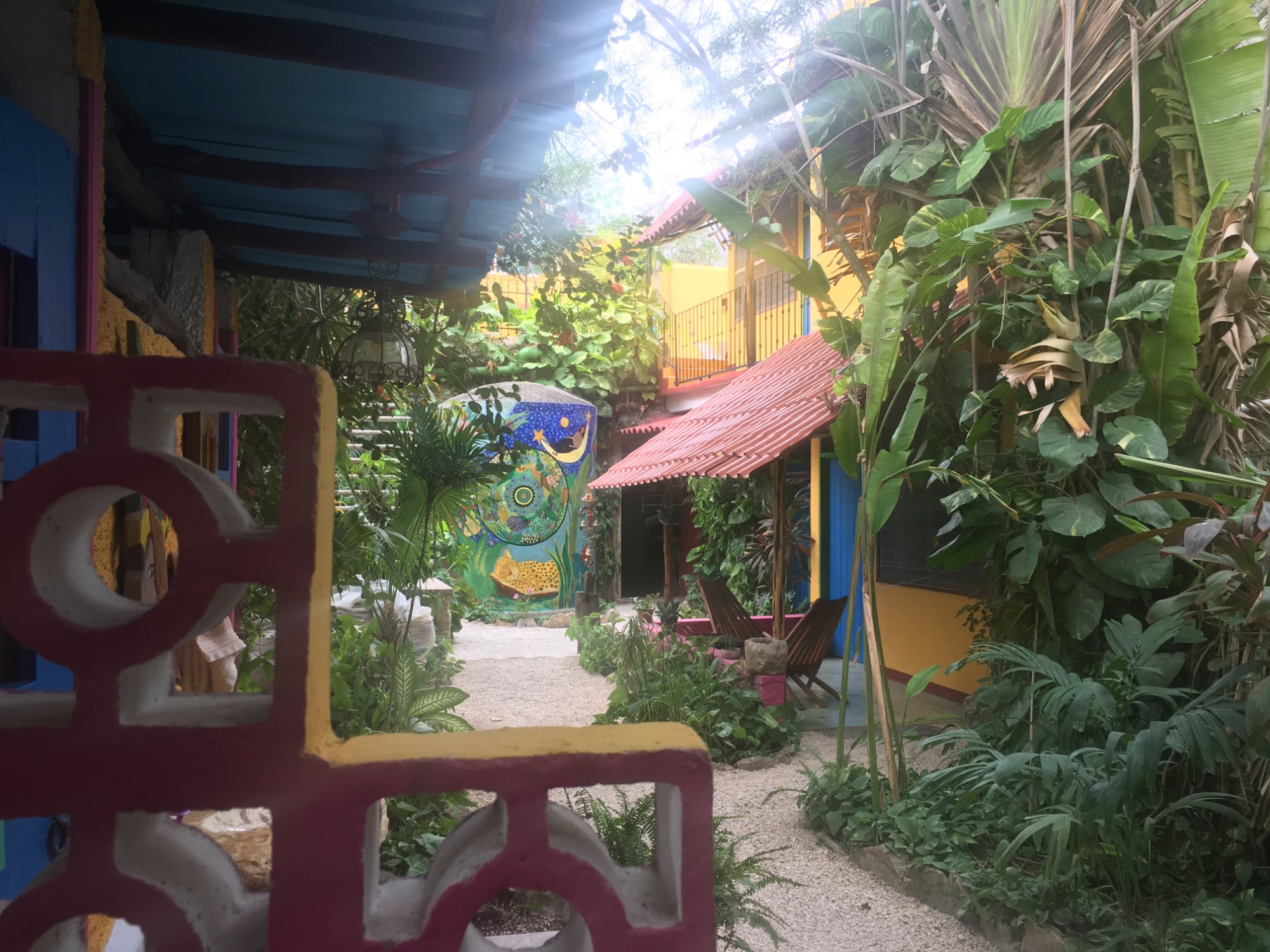
Afternoon: The Free Cenote
Cenote Zaci is in the middle of Valladolid. Entry: $3 USD. It's a partially open cenote — an underground pool exposed to the sky — with a small café and a resident colony of swallows that swoop dramatically at dusk. The swimming is good and it's never as crowded as the out-of-town cenotes.
Evening: The Calzada de los Frailes
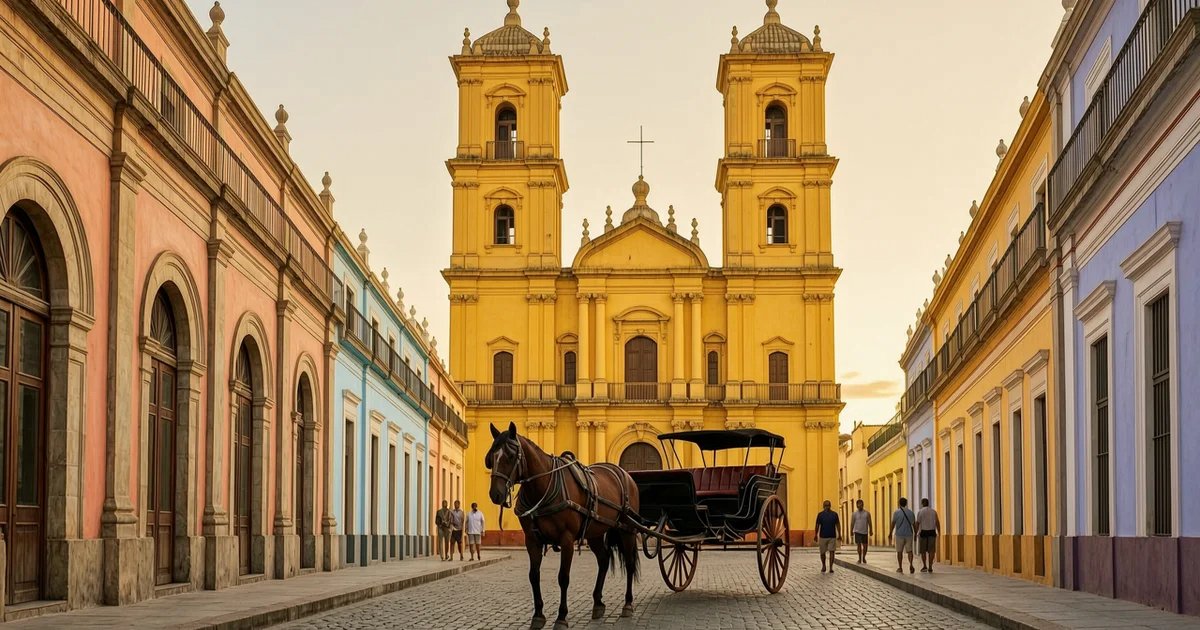
Walk the Calzada de los Frailes at sunset. It's a cobblestone street lined with colonial buildings, all painted in pastels. There are usually musicians playing near the church at the end. Dinner at El Mexicano de Valladolid — $6–9 for a full plate.
Day 3 total: ~$75–100 (train + accommodation + food + cenote)
Day 4: Chichén Itzá — The Pyramid Without the Pain
I've been to Chichén Itzá three times. Here is everything I've learned about doing it without misery:
The Only Way to Visit
Leave Valladolid at 6:30 AM.
Take the colectivo (shared van) from the market — it runs from 6 AM and costs about $3 USD each way to Chichén Itzá. The drive is 45 minutes.
Arrive before the gates open at 8 AM. Stand at the entrance. When they open, walk directly to El Castillo. You'll have maybe 20–30 minutes before the first tour buses arrive from Cancún.
In those 20–30 minutes, you get the pyramid to yourself in the morning light. No crowds. No shouted commentary from eleven simultaneous guides. Just you and one of the great monuments of human civilization.
I've paid for private transfers, luxury hotels nearby, "skip-the-line" passes. None of them gave me a better experience than showing up in a colectivo at dawn.
The Site Itself
Entry: $35 USD (non-negotiable — they've stopped the lower Mexican resident price for foreigners)
Time needed: 2–3 hours before it gets hot and crowded
Guide: Optional. Freelance guides at the entrance charge $30–50 USD for a 90-minute tour. Worth it once. Not necessary if you've read up beforehand.
The acoustic trick: stand at the base of El Castillo and clap. The echo sounds like a quetzal bird — a design feature, not a coincidence. The Mayans built a recording studio 1,000 years ago.
The Cenote Reward
Cenote Ik Kil is 3km from the site. Entry: $15 USD. A colectivo driver can take you there and back for a few dollars.
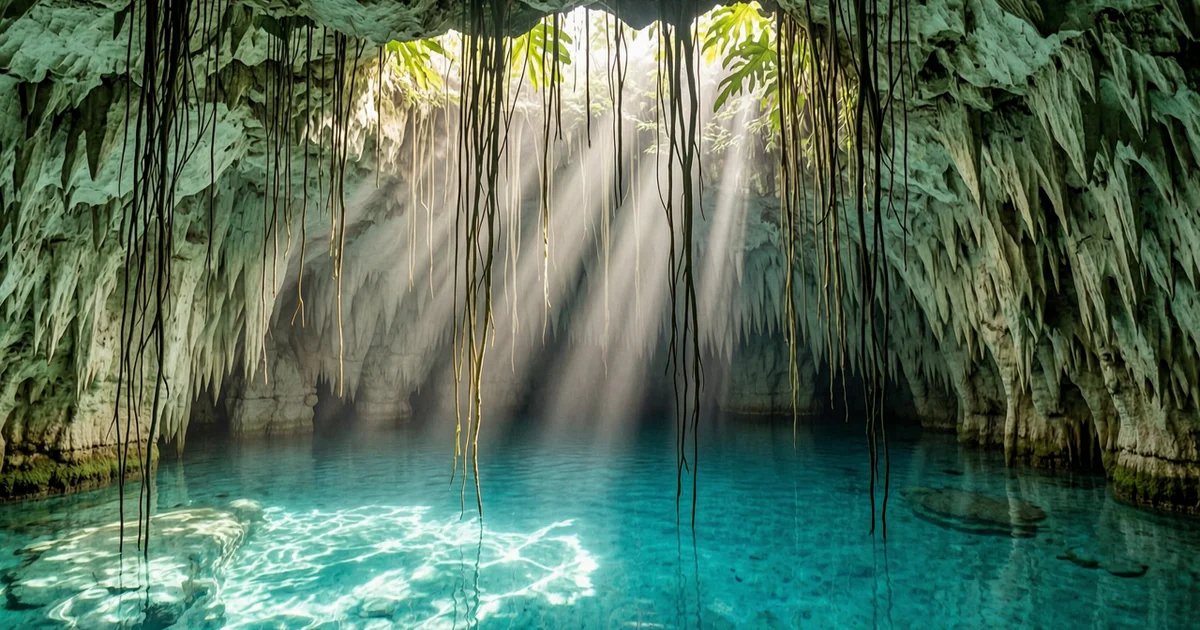
This is the famous one with the hanging vines and the waterfall. The photos don't lie — it really looks like that. Swim in the cool water. Look up at the circle of sky. A moment of genuinely surreal beauty, available to anyone who can afford the $15 entry fee.
Back to Valladolid: Colectivo from the road outside the site, $3 USD. Stop for late lunch in Valladolid — the market lunch special is still available until 4 PM.
Day 4 total: ~$65–90 (colectivos + entry + cenote + food)
Day 5: Train to Tulum — Jungle to Coast
The second leg of the Tren Maya: Valladolid to Tulum. Two hours through the jungle, then suddenly you smell salt air.
Train cost: ~$45 USD per person (Premium)
Where to Stay in Tulum
Tulum has a reputation for being expensive. It earns that reputation in the hotel zone. But Tulum Pueblo (the town) is a completely different story.
- Hostel Che Tulum ($20–30/night dorm, $60–80 private) — Walking distance to everything in town. Social atmosphere, cheap breakfast, bikes to rent for $8/day. This is your base for exploring.
- Casa Holistika ($70–95/night) — If you want a private room with a pool. Set in the jungle, 10 minutes from the beach by bike. Far quieter than the hotel zone and a fraction of the price.
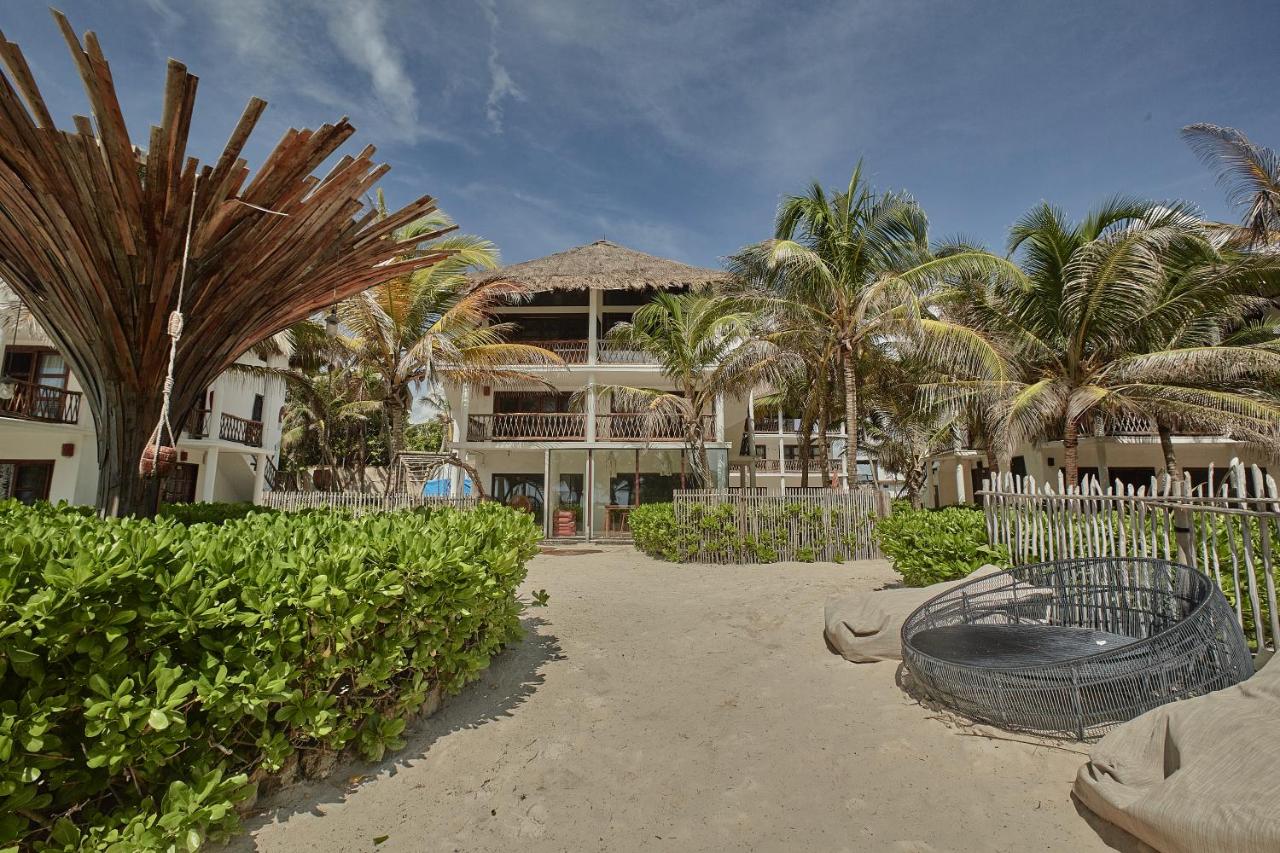
Getting around Tulum: Rent a bike. $8/day. The bike path runs the length of the hotel zone and connects the town to the beach. The beach road is a 10-minute ride. It's the right way to experience Tulum.
First Afternoon: The Real Tulum Beach
The public beach access points are between the hotel zone properties. Look for the gaps. There are signs. The water is the same Caribbean turquoise whether you paid $400 for a sun lounger or brought your own towel.
Beach warning: The famous hotel zone beach bars charge $20–40 for a chair rental that you "have to" buy drinks against. Skip them. Bring a mat. Use the public access.
Dinner in town: La Nave does wood-fired pizza for $8–12 a pie. Split one. Order the salad. It's genuinely excellent and genuinely affordable, which is rare in Tulum.
Day 5 total: ~$80–110 (train + accommodation + bike + food)
Day 6: Tulum Ruins + Cenote Day — The Best Day of the Trip
This is the day you'll talk about when you get home.
Morning: Tulum Ruins at Sunrise
Tulum Ruins open at 8 AM. Get there early. Entry: $13 USD.
The site sits on a cliff above the Caribbean Sea. It's not large — you can see everything in 90 minutes — but the setting is unmatched anywhere in the Mayan world. The main temple has turquoise water behind it. Iguanas sun themselves on every available stone. The wind comes in off the sea.
From the cliff, there's a beach at the base of the ruins. You can climb down and swim. The water is clear, the current is mild, and you're swimming below a Mayan fortress. This is the specific experience that people mean when they say Mexico changed their lives.
Late Morning: Gran Cenote
Gran Cenote is 4km from the ruins on the road toward Cobá. By bike: 20 minutes. By colectivo: $2. Entry: $12 USD.
It's the most beautiful cenote I've been in. The water is transparent blue-green. There are stalactites overhead. Small fish swim around your legs. Bring your snorkel — the underwater cave system you can see through the surface is surreal.
Arrive by 10:30 AM to beat the tour groups that arrive at 11.
Afternoon: Cenote Dos Ojos (Optional)
If you have the energy, Cenote Dos Ojos is 15 minutes further by bike. Entry: $12 USD. It's a twin cenote — two pools connected by an underwater passage. The snorkeling here, if you go into the cave, is unlike anything else in the world.
Between the two cenotes, budget $24–25 USD and about 4 hours. These are memories you will carry for years.
Evening: Sunset in Town
Cycle back to town. Shower. Walk to the mercado and eat whatever looks good. El Camello Jr. does seafood cocktails (coctel de camarones) for $6. Sit on a plastic stool. Watch the locals finish their day.
This is what budget travel gives you: the actual place, not the curated version of it.
Day 6 total: ~$50–70 (bike rental + entries + food)
Day 7: Going Home — The Ritual
Your flight is probably from Cancún. The ADO bus from Tulum to Cancún Airport runs every 2 hours and takes about 2 hours. Cost: $15–18 USD. Book the seat online the night before.
Before you leave town, do this: go to the morning market and have one last breakfast. Chilaquiles, café de olla (pot coffee), a piece of fruit. It costs $3. It takes 20 minutes. It is the right way to end a trip like this.
On the bus, do the accounting. What did you spend? Was it less than you expected? In my experience, the answer is usually yes — and the part of the trip that cost the most is the thing you cared about least.
The cenote that took your breath away cost $12. The pyramid at dawn cost $35. The breakfast in the market cost $3. The memory of watching the sun hit El Castillo before the crowds arrived? That one's free.
Complete Cost Breakdown
| Category | Low | High |
|---|---|---|
| Accommodation (6 nights, per person) | $150 | $200 |
| Tren Maya Premium (2 legs) | $90 | $90 |
| Local transport (buses, colectivos, bike) | $50 | $70 |
| Food (7 days) | $120 | $160 |
| Activities & entry fees | $100 | $125 |
| Misc (SIM card, ATM fees, tips) | $50 | $80 |
| TOTAL (per person) | $560 | $725 |
With flights from a US hub (typically $300–600 return if booked 6–8 weeks ahead), you're looking at a week in Mexico for $900–1,300 per person all-in. That is a remarkable number.
Money-Saving Tips That Actually Work
Book the Tren Maya as soon as you have dates. The train sells out on weekends and around Mexican holidays. Economy class becomes unavailable first. Book at trenmaya.gob.mx the moment your dates are confirmed.
Travel Sunday–Thursday. Prices at cenotes, tours, and even some hotels drop noticeably midweek. The crowds at Chichén Itzá are 40% smaller on a Tuesday than a Saturday.
Use the ATM strategically. Withdraw larger amounts less frequently to minimize fees. Citibanamex ATMs tend to have lower withdrawal fees for foreign cards. Always decline the ATM's offer to convert to USD — that dynamic currency conversion is how they make an extra 5%.
Eat the lunch special. Every restaurant in the Yucatán offers a "comida corrida" (daily lunch special) between noon and 4 PM. Three courses for $5–8. This is the best food deal in Mexico. Use it every day.
The free things are actually free. Mérida's Sunday Paseo is free. The Zócalo performances are free. Walking the Valladolid calzada at sunset is free. The public beach in Tulum is free. These aren't consolation prizes — they're genuinely wonderful experiences that happen to cost nothing.
What to Skip
Guided cenote tours from Cancún. They bundle three cenotes, charge $80–100, and you spend 2 hours on a bus. Go independently. You'll pay $35 total and have twice the time in the water.
The hotel zone restaurants in Tulum. A bowl of pasta in the hotel zone costs $25. A bowl of pasta in town costs $8. They are not $17 apart in quality.
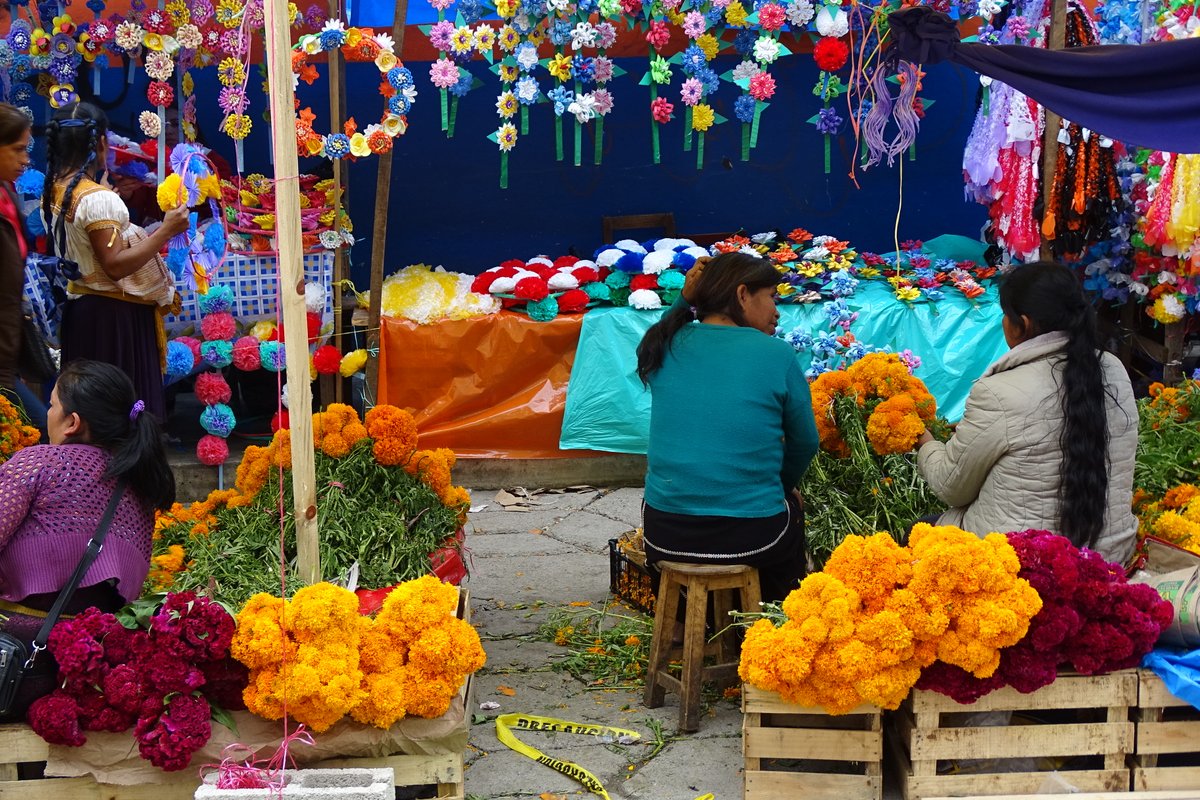
Souvenir shops near major ruins. The vendors outside Chichén Itzá will quote $40 for a jaguar mask. The exact same mask costs $8 in the Mérida market. Buy your souvenirs in the city, not at the site.
Questions about doing this trip on a real budget? Email me at hello@familymilesguide.com. I've done it multiple times at multiple price points. I'll tell you where the money matters and where it doesn't.
Useful links:
- Book Tren Maya tickets (official)
- Budget hotels in Mérida
- Budget hotels in Valladolid
- Budget hotels in Tulum
- Day tours from the route (Viator)
- Travel insurance (AXA) — don’t skip this
☢️ Family Miles Guide — Written by a real traveler who has done it on a budget, so you know exactly what you’re getting into.
Compare Other Ready-Made Trips
Planning your Tren Maya adventure? See how this itinerary stacks up against our other ready-made trips — pick the pace and budget that fit your family:


